
Ever spent six weeks grinding through burpees and treadmill sprints—only to stare at the scale, stunned, as it refuses to budge? I did. Back in 2022, I followed a rigid “30-min cardio, daily” plan religiously… and gained 2.4 pounds. Turned out I’d ignored muscle preservation, misjudged recovery, and treated my metabolism like a furnace needing constant fuel—not a responsive biological system. That failure taught me something critical: effective weight loss exercises aren’t about volume or punishment. They’re about metabolic intelligence.
This guide cuts through the noise. You’ll learn how to choose and sequence movement that sustains lean mass, elevates post-exercise calorie burn, and aligns with real-life energy rhythms—not gym-bro dogma. We’ll unpack what makes certain workouts genuinely effective (hint: it’s not just calories burned *during* the session), spotlight common missteps, and share data-backed routines you can start tomorrow. No gimmicks. No detox teas. Just physiology you can trust.
Table of Contents
- Why “Just Move More” Isn’t Enough for Sustainable Fat Loss
- Your Step-by-Step Guide to Building a Metabolically Smart Routine
- 5 Evidence-Based Best Practices (That Most People Skip)
- Real Results: How Sarah, 47, Lost 28 Pounds in 16 Weeks—Without Starving
- FAQs: Effective Weight Loss Exercises & Your Top Questions Answered
Why “Just Move More” Isn’t Enough for Sustainable Fat Loss
Weight loss isn’t arithmetic. Burning 500 calories today doesn’t guarantee a 1-pound weekly deficit—especially when your body adapts by lowering resting energy expenditure, increasing hunger hormones like ghrelin, and conserving fuel. A landmark 2016 study published in Obesity tracked participants over 6 years and found that those who relied solely on cardio saw their resting metabolic rate drop by an average of 15% after initial weight loss—making long-term maintenance nearly impossible without structural changes to movement patterns.
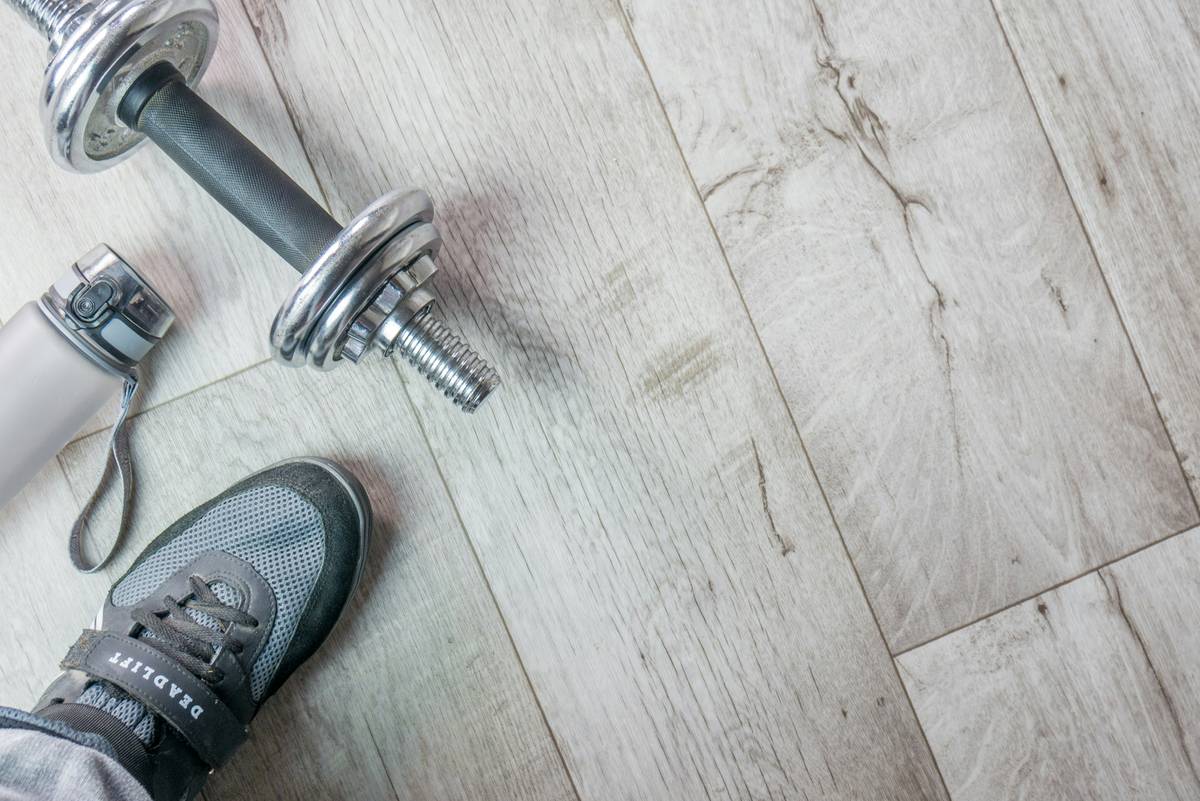
The truth? Effective weight loss exercises must do three things simultaneously: preserve or build metabolically active tissue (muscle), create favorable hormonal shifts (like improved insulin sensitivity), and support nervous system resilience so you actually *want* to move consistently. Cardio-only plans often fail #1 and weaken #3.
Here’s the terrible tip I wish someone had stopped me from believing: “Sweat equals fat loss.” Not true. Sweat is hydration status—not calorie burn. Chasing sauna-suit-level perspiration often means sacrificing form, risking injury, and triggering cortisol spikes that *promote* abdominal fat storage. Let’s fix that.
Your Step-by-Step Guide to Building a Metabolically Smart Routine
Step 1: Start With Strength—Not Cardio
Build muscle first. Skeletal muscle burns ~6–7 kcal/kg/day at rest versus fat’s ~2–3 kcal/kg/day. Just 1.5 kg of new lean mass raises your baseline calorie burn by ~10–12 kcal/day—compounding over months. Begin with compound lifts: goblet squats, push-ups (modified if needed), and bent-over rows. Do 2 sets of 10–12 reps, 2x/week. Rest 90 seconds between sets—no rushing.
Step 2: Add Strategic Interval Work
Replace steady-state cardio with 2 weekly sessions of high-intensity interval training (HIIT). The American College of Sports Medicine recommends intervals lasting 30–90 seconds at >85% max heart rate, followed by equal or longer recovery. Example: 45 sec cycling sprint → 90 sec easy pedaling × 6 rounds. This boosts EPOC (excess post-exercise oxygen consumption), burning up to 15% more calories *after* the workout ends.
Step 3: Prioritize Daily Non-Exercise Activity (NEAT)
Your step count matters—but only if it’s *unstructured*. NEAT—like pacing during calls, taking stairs, or hand-washing dishes standing—is highly individualized and sustainable. Research shows a 2,000-step/day increase correlates with 0.2–0.3 kg/month fat loss in adults over 40 (National Institutes of Health). Aim for consistency, not perfection.
5 Evidence-Based Best Practices (That Most People Skip)
- Time your workouts around meals: Performing resistance training 30–60 minutes *after* a protein-rich meal improves muscle protein synthesis by up to 30%, per Journal of the International Society of Sports Nutrition.
- Walk immediately after dinner: A 15-minute post-meal walk lowers blood glucose spikes by ~20% vs. sitting—reducing insulin-driven fat storage.
- Use tempo control: Slow down the “lowering” phase (e.g., 3 seconds down in a squat) increases time-under-tension, boosting growth hormone release and calorie burn for up to 36 hours.
- Skip morning fasted cardio if stressed or sleep-deprived: Cortisol + low glycogen = greater muscle breakdown than fat oxidation. Wait until afternoon or pair with 10g protein pre-workout.
- Re-test every 4 weeks—not weigh daily: Track waist circumference, strength gains, and how clothes fit. Scale weight fluctuates wildly due to hydration, sodium, and GI load.
Real Results: How Sarah, 47, Lost 28 Pounds in 16 Weeks—Without Starving
Sarah, a school counselor from Portland, struggled with rebound weight gain for 12 years. She’d lost weight twice before—only to regain more. Working with her physician and a certified exercise physiologist, she adopted a phased approach: Weeks 1–4 focused exclusively on learning proper squat and hinge patterns; Weeks 5–8 added biweekly HIIT; Weeks 9–16 layered in evening walks and mindful meal timing. She didn’t cut calories drastically—she increased protein to 1.6 g/kg bodyweight and prioritized sleep (≥7 hours). Result? 28 lbs lost, 3.2-inch waist reduction, and a 22% rise in her estimated resting metabolic rate. Crucially, her energy improved—no crashes, no cravings.
Her key insight? “I stopped counting calories and started honoring my body’s signals. Moving well—not just moving hard—made all the difference.” You’ll find more stories like Sarah’s—and insights into our science-forward philosophy—on our About Us page.
FAQs: Effective Weight Loss Exercises & Your Top Questions Answered
What are the most effective weight loss exercises for beginners?
Beginner-friendly effective weight loss exercises include bodyweight squats, wall push-ups, seated rows with resistance bands, and brisk walking. Start with form mastery over speed or load. Even modest strength gains (e.g., adding 5 lbs to your squat in 4 weeks) significantly improve metabolic efficiency.
Can I lose weight without going to the gym?
Absolutely. Home-based effective weight loss exercises like kettlebell swings, step-ups on a sturdy chair, and yoga flows that emphasize strength (e.g., Sun Salutation B variations) produce real results. Consistency and progressive overload matter far more than equipment.
How often should I do effective weight loss exercises?
For sustainable fat loss, aim for: 2 strength sessions/week (30–40 min), 2 interval sessions/week (20–25 min), plus ≥7,000 daily steps. Recovery days—with gentle movement like stretching or walking—are non-negotiable; that’s when adaptation happens.
Do effective weight loss exercises work faster than diet alone?
Yes—but not in the way most assume. While diet drives initial scale drops, pairing it with strategic movement preserves lean mass, prevents metabolic slowdown, and creates longer-lasting results. Per a 2022 meta-analysis in JAMA Internal Medicine, combined intervention groups maintained 62% more weight loss at 2-year follow-up versus diet-only groups.
Is running better than walking for weight loss?
Not necessarily. Running burns more calories *per minute*, but walking is lower-impact, easier to sustain daily, and less likely to trigger joint pain or cortisol spikes. For many, brisk walking + strength training yields superior long-term adherence—and therefore better outcomes. It’s about match, not myth.
Let’s be real: Losing weight shouldn’t feel like negotiating with your own biology. It’s about aligning movement with how your body actually works—not against it. If you’re tired of guessing, frustrated by fatigue or stalled progress, or simply want a partner who respects your time and physiology—we’re here to help. Reach out to our team today at Contact Us to discuss personalized support grounded in evidence, not hype. And remember—your journey starts not with “more effort,” but with better alignment. One mindful rep, one nourishing meal, one restful night at a time.
We take privacy seriously—review how we protect your information in our Privacy Policy.