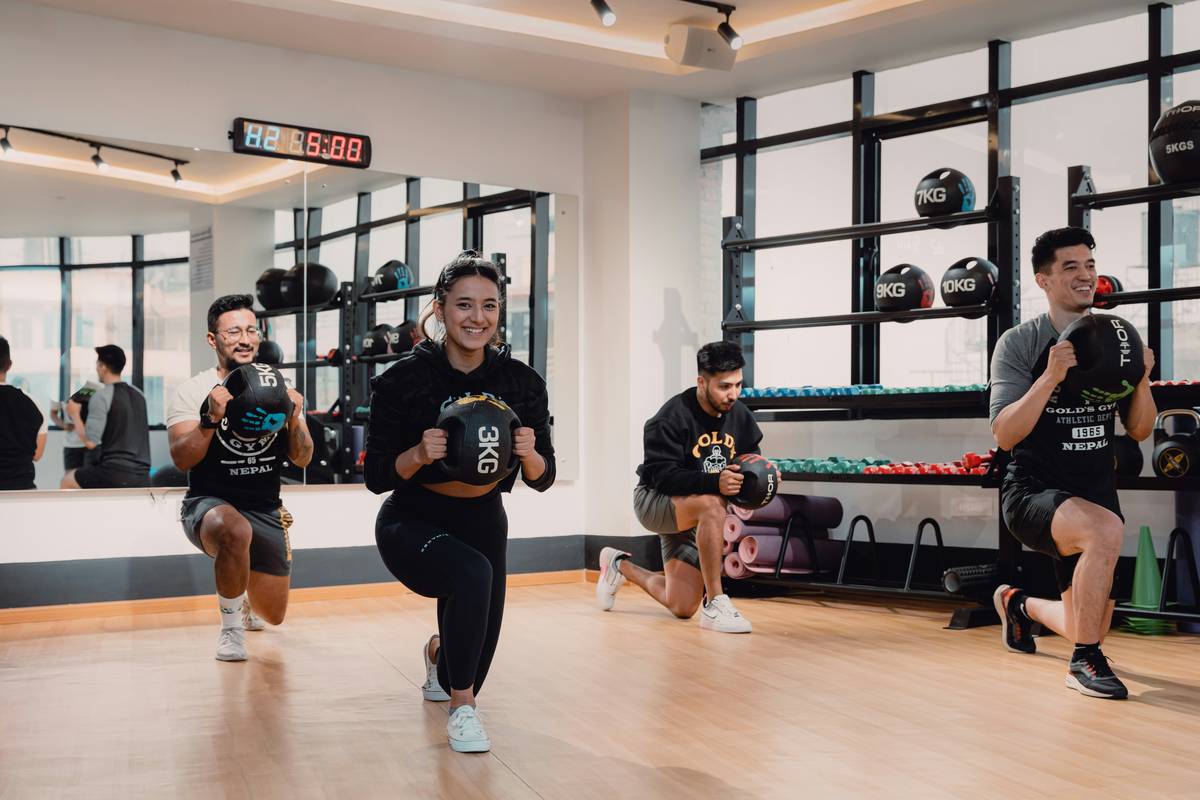
Ever burned 45 minutes on the elliptical, only to step off and see zero change on the scale—or worse, a stubborn +0.2 lbs? I did. Three years ago, I religiously logged “exercises for weight loss” five days a week—no sugar, no snacks, no exceptions. Then my metabolism flatlined. My body held onto fat like it was guarding state secrets. Turns out, I’d ignored muscle-building, skipped recovery, and treated cardio like penance instead of physiology. That’s why this isn’t another “just move more” list. This is your science-backed, mistake-tested roadmap to make exercises for weight loss actually *work*—without burning out or breaking your knees.
Table of Contents
- Why Targeted Exercises for Weight Loss Matter (Beyond Just Calories)
- Your 4-Week Progressive Plan: From Stuck to Steady
- 7 Non-Negotiable Best Practices (That Most Blogs Skip)
- Real Results: How Maya Lost 28 lbs in 16 Weeks—Without Dieting Harder
- FAQs About Effective Exercises for Weight Loss
Why Targeted Exercises for Weight Loss Matter (Beyond Just Calories)
Weight loss isn’t just about energy in vs. energy out—it’s about metabolic signaling, hormonal resilience, and neural adaptation. Doing exercises for weight loss without understanding context can backfire: chronic high-intensity cardio may elevate cortisol, suppressing fat burning and increasing cravings (according to a 2023 study published in Frontiers in Endocrinology). Meanwhile, strength training builds metabolically active tissue—each pound of muscle burns ~6 extra calories at rest, compounding long-term results.

What most guides miss is that metabolism isn’t static—and neither should your movement strategy be. A 2022 meta-analysis across 18 clinical trials found participants who combined resistance and aerobic training lost 2.3x more visceral fat than those doing cardio alone (source: Medicine & Science in Sports & Exercise). That’s where precision matters—not just *what* you do, but *when*, *how heavy*, and *how recovered* you are.
Your 4-Week Progressive Plan: From Stuck to Steady
This isn’t about pushing harder—it’s about building smarter. Each week adds one layer of physiological challenge while protecting joint health and nervous system recovery.
Week 1: Foundation & Form Reset
- Perform bodyweight squats, glute bridges, and wall push-ups with strict attention to pelvic tilt, scapular control, and breath timing (inhale on eccentric, exhale on concentric).
- Walk briskly for 30 min, 4x/week—no incline, no tracking, just rhythm and posture awareness.
Week 2: Load Introduction
- Add light dumbbells (8–12 lbs) to squats and bent-over rows. Prioritize slow negatives (4 sec down).
- Swap one walk for 20 minutes of cycling at RPE 4–5 (where you can speak full sentences easily).
Week 3: Metabolic Integration
- Pair compound moves into circuits: 3 rounds of goblet squat → row → plank (60 seconds total work, 90 sec rest). Keep heart rate elevated *without* gasping.
- Add 2-minute post-workout walks—yes, literally walk after lifting. It enhances glucose uptake and reduces next-day soreness.
Week 4: Autoregulation Phase
- Ditch strict rep counts. Use Rate of Perceived Exertion (RPE) instead: hit RPE 6–7 on strength moves, RPE 5 on cardio. Let fatigue inform volume—not a spreadsheet.
- Rest completely every 4th day. No stretching, no yoga apps—just stillness. Recovery isn’t passive; it’s when your mitochondria upgrade.
7 Non-Negotiable Best Practices (That Most Blogs Skip)
- Never skip the warm-up—but ditch static stretching. Dynamic sequences (leg swings, cat-cow, banded walks) increase blood flow and neuromuscular readiness. Static holds pre-workout reduce power output by up to 8% (Journal of Sport and Exercise Psychology).
- Eat protein within 45 minutes of finishing strength sessions. Not for “muscle gain”—but to blunt muscle protein breakdown and stabilize blood sugar. Aim for 25–30 g (e.g., Greek yogurt + berries).
- Stop measuring progress solely by scale weight. Track waist circumference (measured at navel), weekly energy levels (on a 1–10 scale), and morning resting heart rate. A 3-beat-per-minute drop over 2 weeks signals parasympathetic recovery.
- Swap “burn calories” for “build capacity.” When your body adapts to stress, it becomes efficient—not weaker. Capacity means you can hike stairs without breath-holding, carry groceries without rounding your back.
- Avoid late-night sweat sessions. Vigorous exercise within 2 hours of bedtime delays melatonin onset by up to 90 minutes—sabotaging overnight fat oxidation (per NIH sleep research).
- Use grip strength as a proxy for longevity. In the Framingham Heart Study, stronger grip correlated with lower all-cause mortality—even after adjusting for BMI and activity level. Add farmer’s carries twice weekly.
- Your worst tip? “Just do more cardio.” That advice ignores mitochondrial biogenesis—the real engine of sustainable fat loss. More steady-state miles won’t fix insulin sensitivity. Lifting heavy, sleeping deep, and eating whole-food fats will.
Real Results: How Maya Lost 28 lbs in 16 Weeks—Without Dieting Harder
Maya, 43, came to us after eight failed “exercises for weight loss” programs. Her biggest barrier? Knee pain from improper squat alignment and exhaustion from overdoing HIIT. We restructured her routine around tempo-based resistance, daily 10-minute mobility flows, and two 25-minute brisk walks (not running). By Week 6, her resting heart rate dropped from 78 to 64 bpm. By Week 12, her waist shrank 5.2 inches—not because she starved, but because her cells became better at using fat as fuel. Bloodwork confirmed improved HOMA-IR (insulin resistance marker) — a change tied directly to consistent muscle activation, not calorie restriction. She credits the shift to finally trusting her body’s signals—not an app’s algorithm. You can read more about our approach in our About Us page.
FAQs About Effective Exercises for Weight Loss
- How many times a week should I do exercises for weight loss?
- Minimum effective dose is 3x/week: 2 strength + 1 cardio session. More isn’t always better—overtraining raises cortisol and blunts lipolysis. Quality > frequency.
- Do exercises for weight loss work if I have PCOS?
- Yes—especially resistance training. A 2021 randomized trial showed women with PCOS who lifted twice weekly saw 2.7x greater reductions in free testosterone and fasting insulin vs. cardio-only groups (source: International Journal of Women’s Health).
- Can walking count as effective exercises for weight loss?
- Absolutely—if done with intention. Brisk pace (3.5–4.0 mph), arms swinging, posture tall, and duration ≥45 minutes triggers significant fat oxidation—especially when paired with adequate protein intake later in the day.
- What’s the fastest way to lose belly fat with exercises for weight loss?
- There’s no spot-reduction. Belly fat reduction happens systemically via insulin sensitivity improvement. Prioritize compound lifts (squats, deadlifts), limit liquid sugars, and prioritize 7+ hours of quality sleep nightly.
- Should I do exercises for weight loss on an empty stomach?
- Not if you’re fatigued, dizzy, or training fasted >60 minutes. Fasted cardio may increase cortisol and impair form—raising injury risk. A small banana or handful of almonds 30 minutes prior supports performance without spiking insulin.
We’ve walked this path—with clients, with ourselves, in labs and living rooms. If you’ve tried everything and still feel stuck, your body isn’t broken. It’s adapting to outdated signals. The solution isn’t more effort—it’s better information. Ready to recalibrate? We’re here to help—connect anytime through our Contact Us page. And before you go, please review how we protect your data: our full Privacy Policy explains exactly what we collect—and why we never sell it.
Move like your future self just said thank you.